Building MapQuest & Navigating Web 1.0 Disruption
Overview
Long before "Google it" became part of the global lexicon, "Just MapQuest it" was the phrase that defined digital navigation.
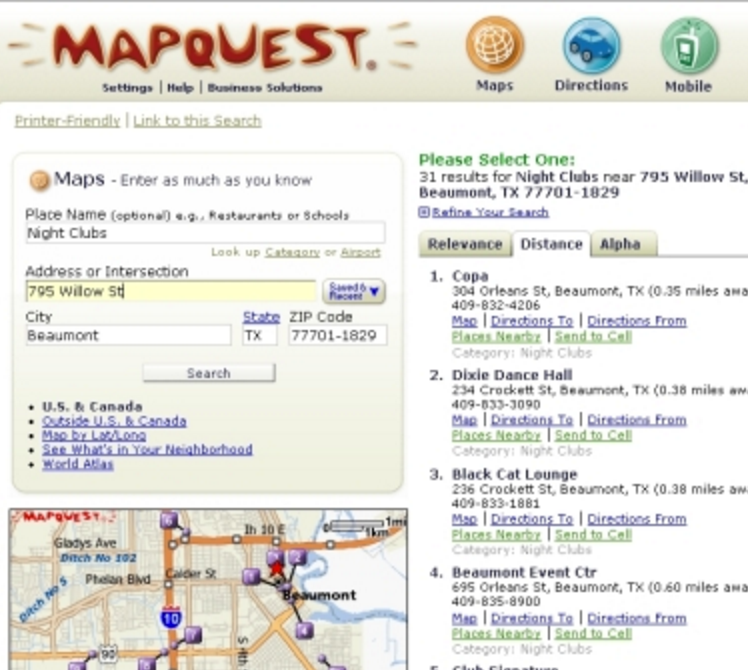
Spun out from cartographic giant R.R. Donnelley & Sons as GeoSystems Global Corp., MapQuest launched in February 1996 as the first interactive mapping service on the Web. As part of the core team that built and launched the brand, I helped pioneer location-based services (LBS), navigating the wild, unpredictable terrain of the early dot-com boom—from a modest $100K first-year budget to a multi-million-dollar acquisition.
🚀 The Launch: Unconventional Marketing on a Shoestring
Building the first consumer internet mapping platform meant defining an entirely new product category from scratch. We didn't hire high-priced consulting firms; we rolled up our sleeves, defined our own brand identity, and executed grassroots, highly creative marketing campaigns.
Key Milestones & Breakthroughs
- Scrappy Brand Strategy: We traded traditional denim shirts and corporate polos for custom bowling shirts at trade shows like Comdex and Internet World. We brought a cool, approachable personality to a faceless tech landscape, showing up with high-energy "Madonna-style" headsets and fearless brand presence.
- Hyper-Growth & B2B Monetization: While offering free interactive maps to consumers, we built robust B2B revenue streams—licensing our MapQuest Connect, Locator, and Enterprise tools to early internet titans like Yahoo!, Excite, Lycos, and Infoseek. Inside sales quickly grew into a $1M/month engine.
- National Recognition: Within our first year, MapQuest was invited to showcase in the Technology Playground Tent at President Clinton’s 1997 Inauguration. By February 1999, we were serving 76.2 million maps and 14.2 million driving directions monthly, ranking as the #5 travel property on the web.
- The IPO & AOL Acquisition: In May 1999, MapQuest went public on the NASDAQ, followed shortly by a high-profile acquisition by AOL/Time Warner in May 2000.
⚡ The Shift: Innovation, Disruption & Lessons Learned
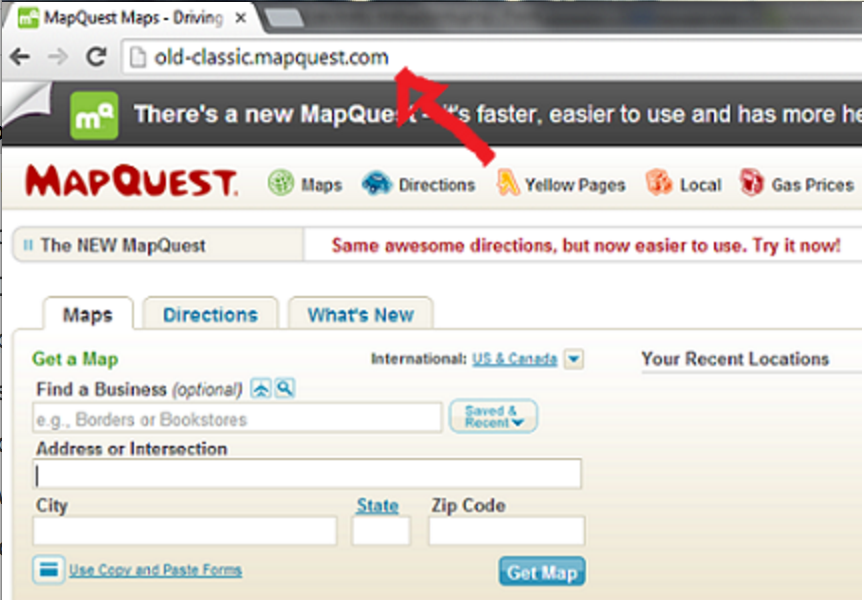
Being the first to market gives you a head start, but staying on top requires continuous, relentless innovation. As newcomers like Vicinity entered the market—and eventually, tech giants like Google transformed web mapping with AJAX, vector tiles, and seamless user experiences—MapQuest shifted from market leader to disrupted incumbent.
Surviving and leading through both rapid hyper-growth and market disruption provided powerful strategic lessons that shape how I consult and build products today:
💡 Core Strategic Takeaways
- Continuous Innovation Over Rearview Watching: Looking over your shoulder at competitors only slows you down. Real market leadership requires constantly thinking about how to outdo your own product rather than copying what others are doing.
- Culture & Talent Are Everything: A dedicated, passionate team will outperform twice the headcount. Building a "work hard, play hard" environment, promoting true cross-functional collaboration between engineering, marketing, and sales, and addressing culture misalignments early are critical for startup survival.
- Be Unconventional & Human: Faceless corporate brands get forgotten. Having a distinct personality, leveraging smart bartering, and taking calculated creative risks allows lean teams to punch far above their weight class.
- Fail Fast, Pivot Faster: The technology landscape moves ruthlessly fast. Adapting quickly to market shifts and making decisive strategy changes is the only way to stay relevant.